We love spooky season at Nerd Nite Edmonton. Our fall 2026 season kicks off with a mighty fine variety of talks. Feel free to come in costume. We’ll give out tickets to the best dressed guest!
When: Thursday, October 29th at 7:30pm
(Doors & bar open at 7pm, with drinks available all night)
Where: Backstage Theatre at Fringe Theatre Adventures
Fringe Theatre Arts Barn, 10330 84 Ave NW, Edmonton
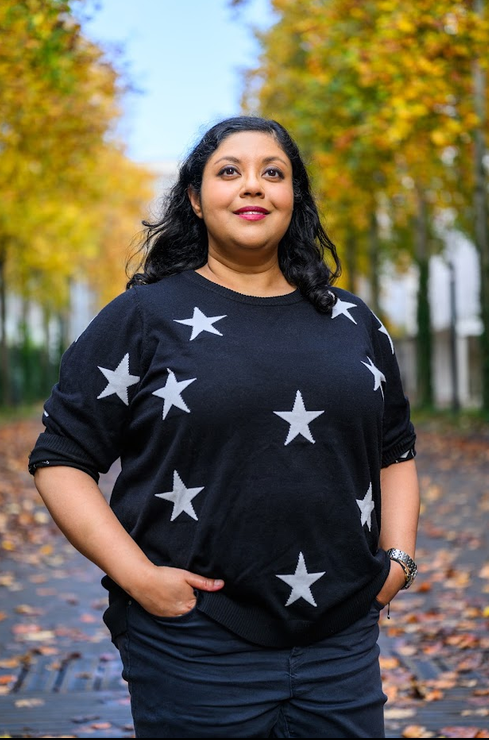
Premee Mohamed — Myconarratology: We Need So Mushroom For This Talk
Why are fungi so often used in media when you could use something else – a monster, a bacterium, a virus, an insect? We will discuss the history of fungi in fiction, lots of examples, a little bit of horror (or a lot), and what a fungal narrative looks like!
Bio: Premee Mohamed is a Nebula, World Fantasy, Ignyte, Locus, and Aurora award-winning Indo-Caribbean scientist and speculative fiction author based in Edmonton, Alberta. She has also been a finalist for the Hugo, British Fantasy, British Science Fiction, Ursula K. Le Guin, and Crawford awards. In 2024, she was the Edmonton Public Library writer-in-residence, and she has taught at establishments including the Banff Institute for the Arts, the Clarion Workshop, and the Carl Brandon Society. She has judged short fiction contests for CBC and Alberta Views Magazine and can be found on her website.
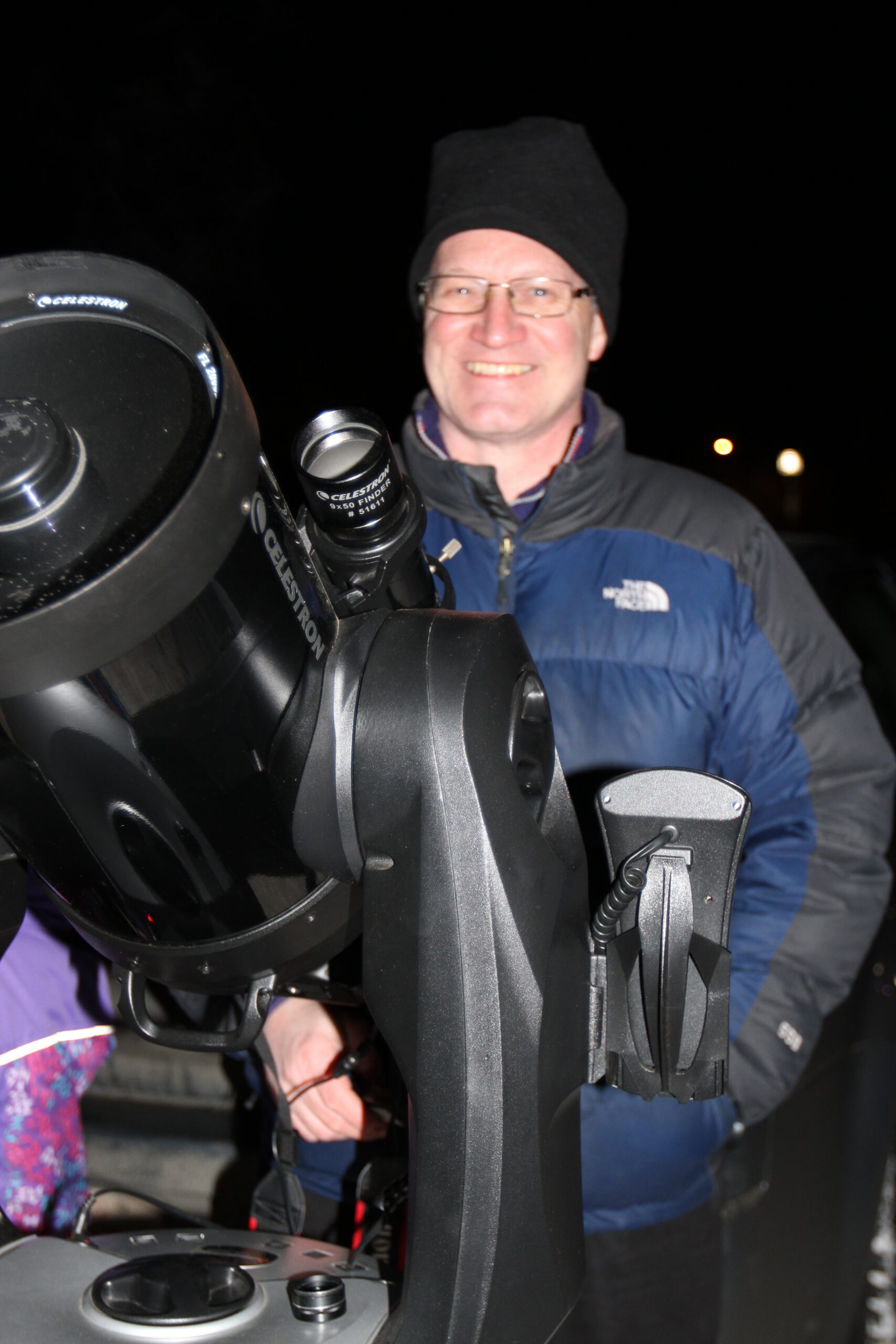
Frank Florian — The Majestic Aurora: The Myths, Science and Beauty
Did you know that some Canadian provinces are the best places in the world to view the spectacular aurora? Come and explore the wonders of the aurora together as we investigate the history, the science and the beauty behind nature’s best light show! During the presentation, many images and videos will be shown of auroras captures over Alberta by Frank and others from the Royal Astronomical Society of Canada.
Bio: Frank Florian is the Senior Manager, Planetarium and Space Sciences at the TELUS World of Science – Edmonton. He has held a variety of positions in the science centre’s programming areas since 1986. He holds a Bachelor of Science degree in physics from the University of Alberta, with a focus on nuclear and astrophysics as well as a Bachelor of Education degree specializing in secondary education, with a major in the physical sciences and mathematics. Having originally intended to pursue a career in space sciences with Canada’s newly born manned space program, Frank changed his interest to communicating science to the general public through his experiences working part-time as a science interpreter at the then Edmonton Space Sciences Centre while studying at the university. His TELUS World of Science – Edmonton experience has included working as a science interpreter, science demonstrator, community astronomer, public programmer (designing and implementing science camps, computer courses and astronomy courses), planetarium operator and planetarium and laser show producer, Director of Public Programs and VP Science. In his work he has also worked closely with the exhibits department in the design and implementation of some of the current exhibits and has created scientific equipment for use in the science demonstration program. Frank now focuses his attention to the planetarium and any astronomy and space science programming at the TELUS World of Science – Edmonton.
Beth Sterling Lee — A Spooky Chocolate Conspiracy?
Chocolate and Halloween go together like witches and broomsticks, or pumpkin spice and lattes. However, you may have noticed that the chocolate bars in your baskets are more tricks than treats. Perhaps your previously decadent candy bars are now “chocolate flavoured,” and taste like a ghost of their prior selves. Is this a sudden realization that your taste buds have grown up? Or are there spookier forces at play?
Bio: In the life I allegedly have outside of work, I have two cats who have trained me well. I bake while talking my husband’s ears off about the kinetics of bread staling, and attempt to not kill houseplants. I once spent three evenings organizing my fountain pen inks by the resistor code colour scheme, and have no regrets. I can usually be found with my nose stuck in a fantasy novel, with some sci-fi for breadth.
Zita Dube-Lockhart: Your Brain On Bonds: Community, Connection, and the Science of Resilience
The Science of Resilience explores how stress shapes our minds, bodies, and communities, and why human connection plays in resilience, healing, and growth.
Zita (they/she) works at the intersection of mind, body, social environment, and clinically significant levels of overcommitment. They hold an MA in Counselling Psychology and an embarrassingly complicated relationship with their voicemail.
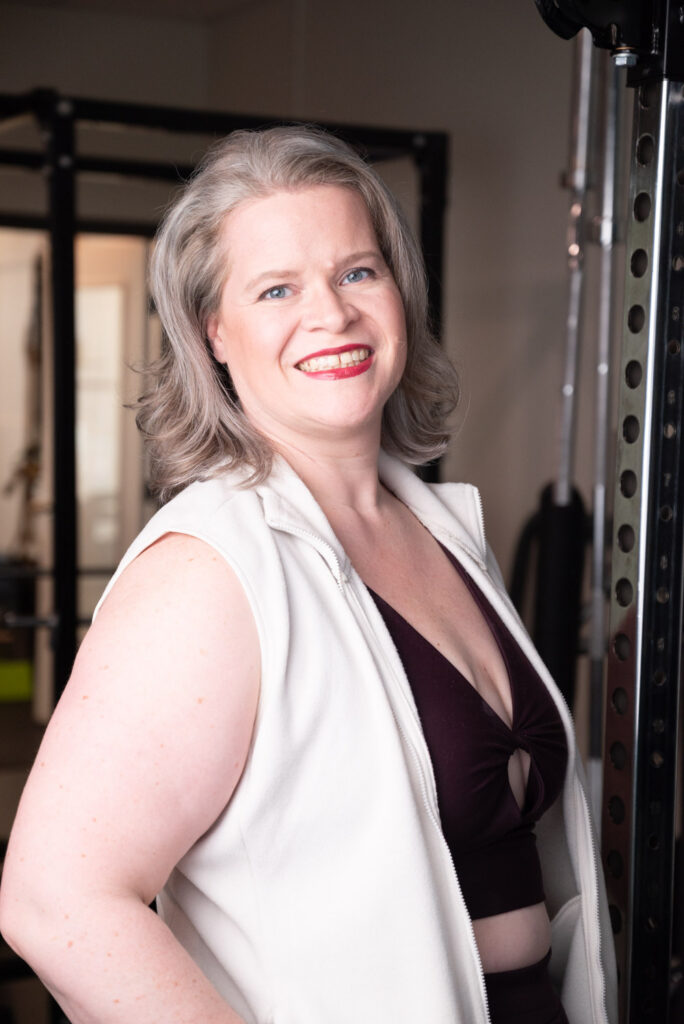
Zita is a Nerd Nite Edmonton alumnus, co-owner of Action Potential Fitness, co-founder of the Centre for Trauma Informed Fitness, and a counselling therapist at the Alberta Wellness Centre for Eating Disorders, bouncing between roles in what can only be described as interdisciplinary chaos.
You can call Zita many things… but they’d really rather you text instead.
Evan Westfal: The Relationship Between Homosexuality and Fecundity: Why Being Gay Helps a Species Survive and Reproduce
In this talk, Evan explains to you why being gay really helps different animal species survive. Have you ever wondered why homosexuality has persisted through millions of years of evolution? Shouldn’t being gay lead to less reproduction? Is being gay natural? All these answers and more will be offered in a talk that is playful, intellectual, and hella gay!
Evan Westfal (he/him) is the Programs Manager for the Fyrefly Institute for Gender & Sexual Diversity housed within the University of Alberta, he chairs the Rainbow Alliance Youth Edmonton Committee, and has served as a curriculum advisor for the Sex Information & Education Council of Canada (SIECCAN). Basically, Evan is professionally gay!
Allison Hadley: The Rainbow Connection – Exploring the Intersections Between Queer Culture and Nerd Culture
When a queer person does not have any 2SLGTQIA+ mentors or community in their life, how do they find belonging? It is often in the safe(r) spaces of nerdy fandoms where acceptance in fantasy settings can turn into a sense of real life belonging. Why are so many trans people drawn to Deep Space Nice and Fallout: New Vegas? Is Dungeons and Dragons inherently queer? The answers may not be as simple as you think.
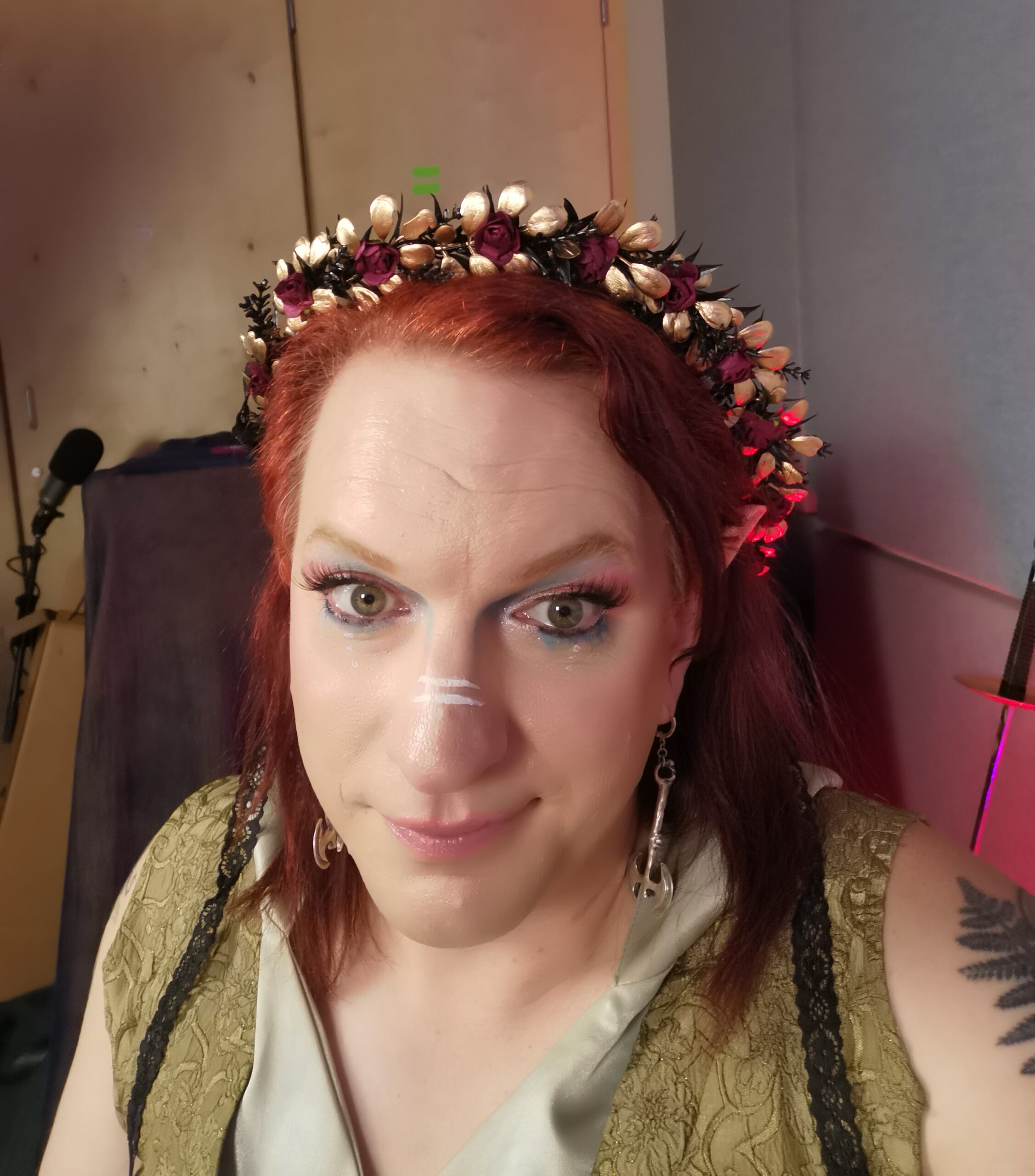
Allison Hadley is a podcast host, author, activist and drag performer. She is passionate about building community resilience through queer joy. She is also a big ol’ nerd who grew up on science fiction and tabletop roleplaying games.
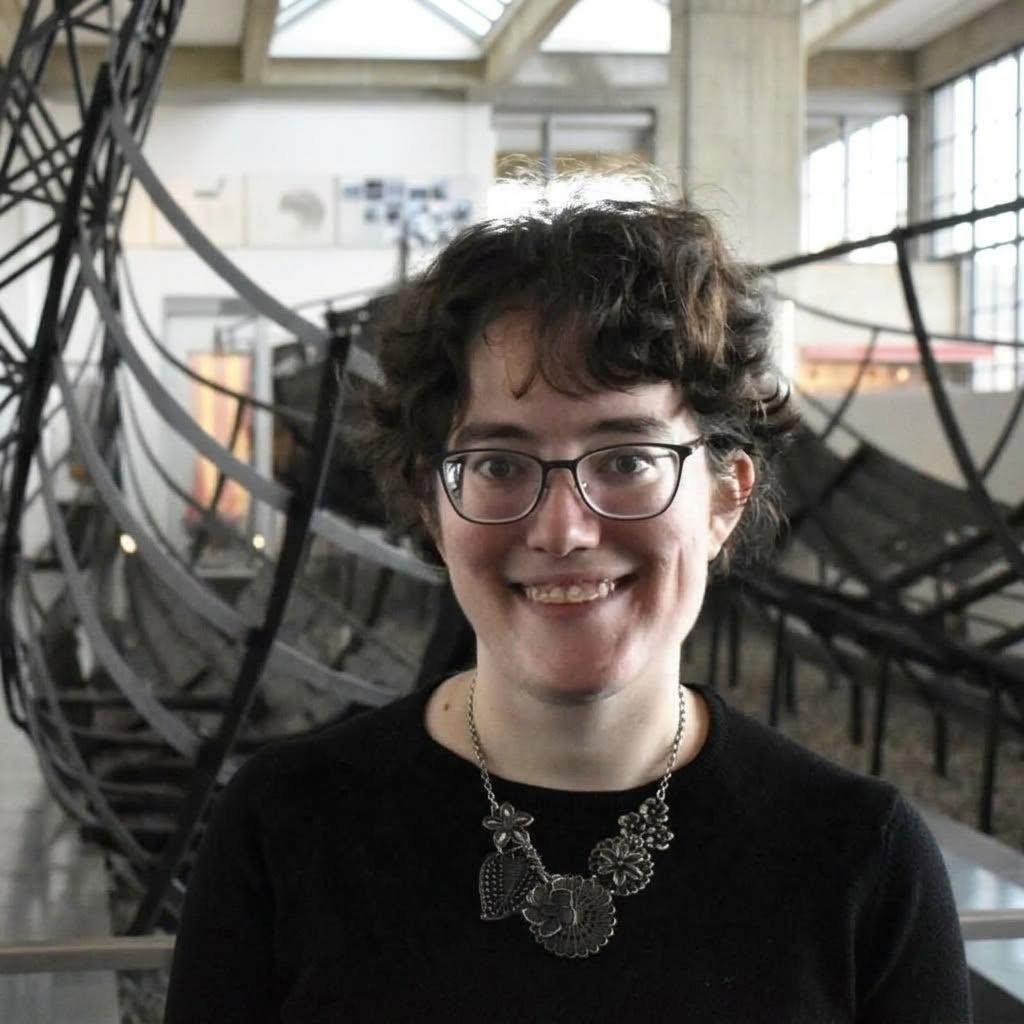
Amanda Green — Canadians In Space: From Alouette to Artemis and the Next Generation
Amanda Green is a local STEM Educator and Canadian Space Ambassador excited to share her passion for Canadian space exploration and “moon joy!’. She will take you through some of our greatest achievements and ambitions and then share how she teaches kids to love space, think critically and reach for the stars! Bio: Amanda is a passionate educator who teaches Jr High STEM classes in both English and French in Beaumont. She isn’t just a STEM educator, she’s a spark igniting a passion for discovery. Through the power of project-based learning, she plunges her students into hands-on STEM adventures, seamlessly weaving in technology to make science not just a subject, but a living, breathing experience.
Steve Pirot — The Advent, Events, and the Diverse Consequence of The 1893 World’s Fair
1893: The Shining City By The Sea: built by a cadre of Chicago architects 401 years after Columbus’ arrival on Turtle Island. The United States Of America first World Fair was rushed, desperate, and phenomenal. Knowledge of The Columbian Exposition is essential to understanding the mythology of America. Bio: “Unkl Stiv” was and still is a writer, reader, performer and flaneur. He is a theatre nerd, and a hockey nerd. He is currently the executive director of The Edmonton Poetry Festival. Instagram: @stevepirot
Sam Malmberg — Art and LEGO Design: Creating in a New Medium
LEGO has grown to become one of the world’s largest toy brands, and its fanbase has grown with it. What often starts as childhood creativity leads to using LEGO as a tool for self expression and building community. Adult hobbyists are paving the way for brick-built creations to be seen as a medium of their own.Bio: Sam Malmberg is an Edmonton-based artist that uses LEGO as his primary medium. Sam has displayed his original LEGO creations across Canada and the US, and was a finalist on the TV show LEGO Masters. Through his business, Groovybones Bricks, he works to create interactive experiences, custom models, and a whole lot of brick-based fun.
 Why are fungi so often used in media when you could use something else – a monster, a bacterium, a virus, an insect? We will discuss the history of fungi in fiction, lots of examples, a little bit of horror (or a lot), and what a fungal narrative looks like!
 Did you know that some Canadian provinces are the best places in the world to view the spectacular aurora? Come and explore the wonders of the aurora together as we investigate the history, the science and the beauty behind nature’s best light show! During the presentation, many images and videos will be shown of auroras captures over Alberta by Frank and others from the Royal Astronomical Society of Canada.

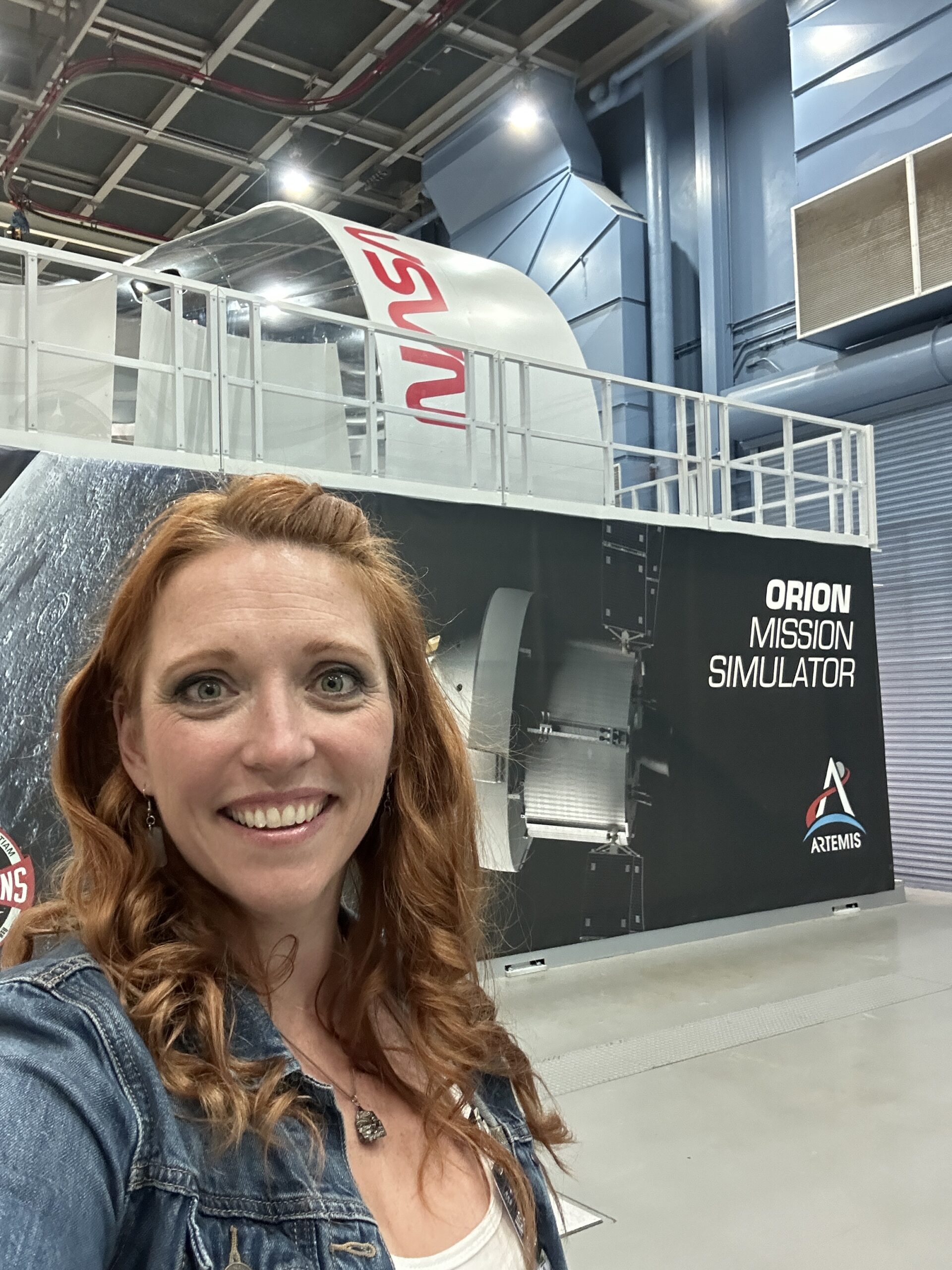 Amanda Green is a local STEM Educator and Canadian Space Ambassador excited to share her passion for Canadian space exploration and “moon joy!’. She will take you through some of our greatest achievements and ambitions and then share how she teaches kids to love space, think critically and reach for the stars!
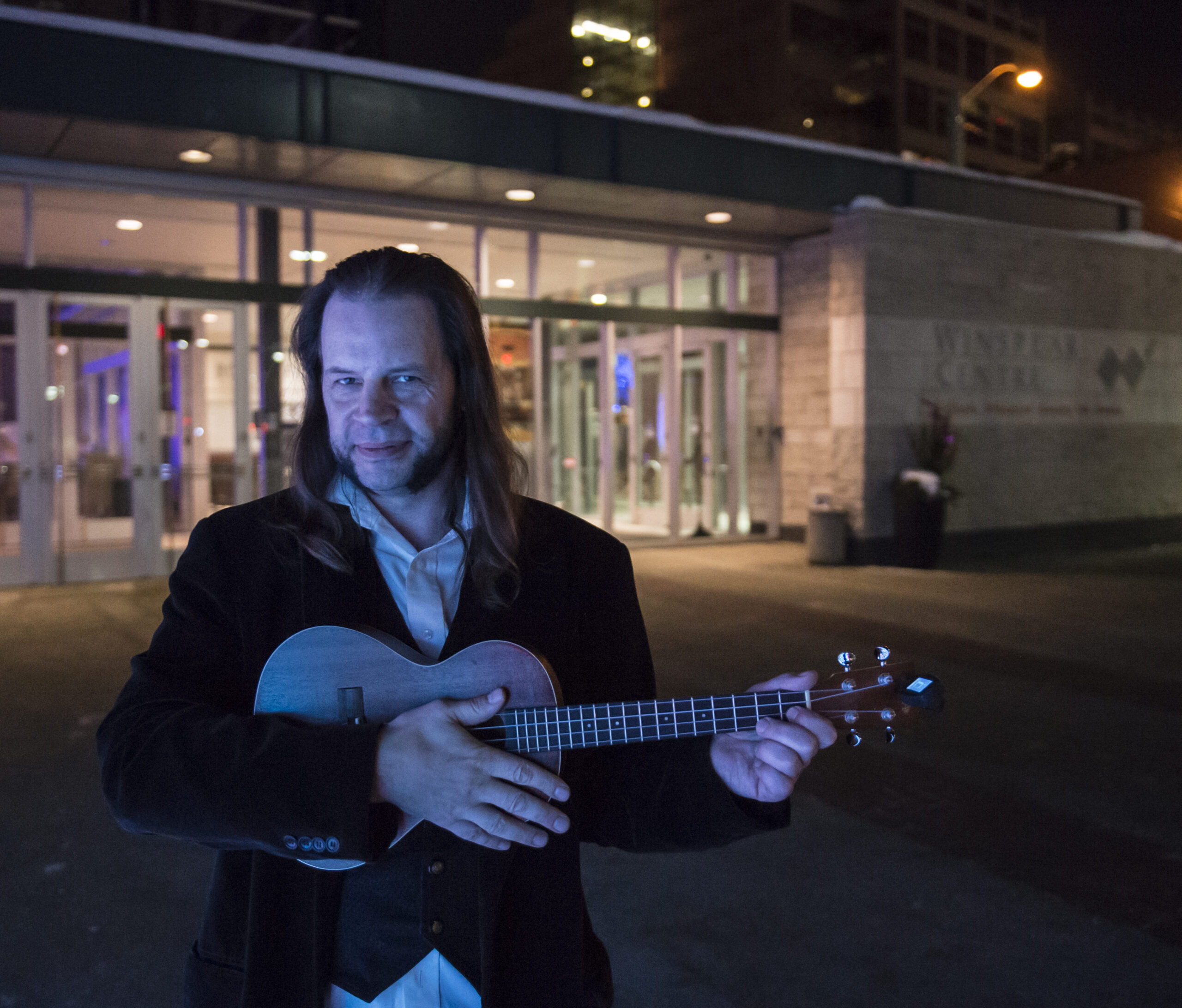 1893: The Shining City By The Sea: built by a cadre of Chicago architects 401 years after Columbus’ arrival on Turtle Island. The United States Of America first World Fair was rushed, desperate, and phenomenal. Knowledge of The Columbian Exposition is essential to understanding the mythology of America.
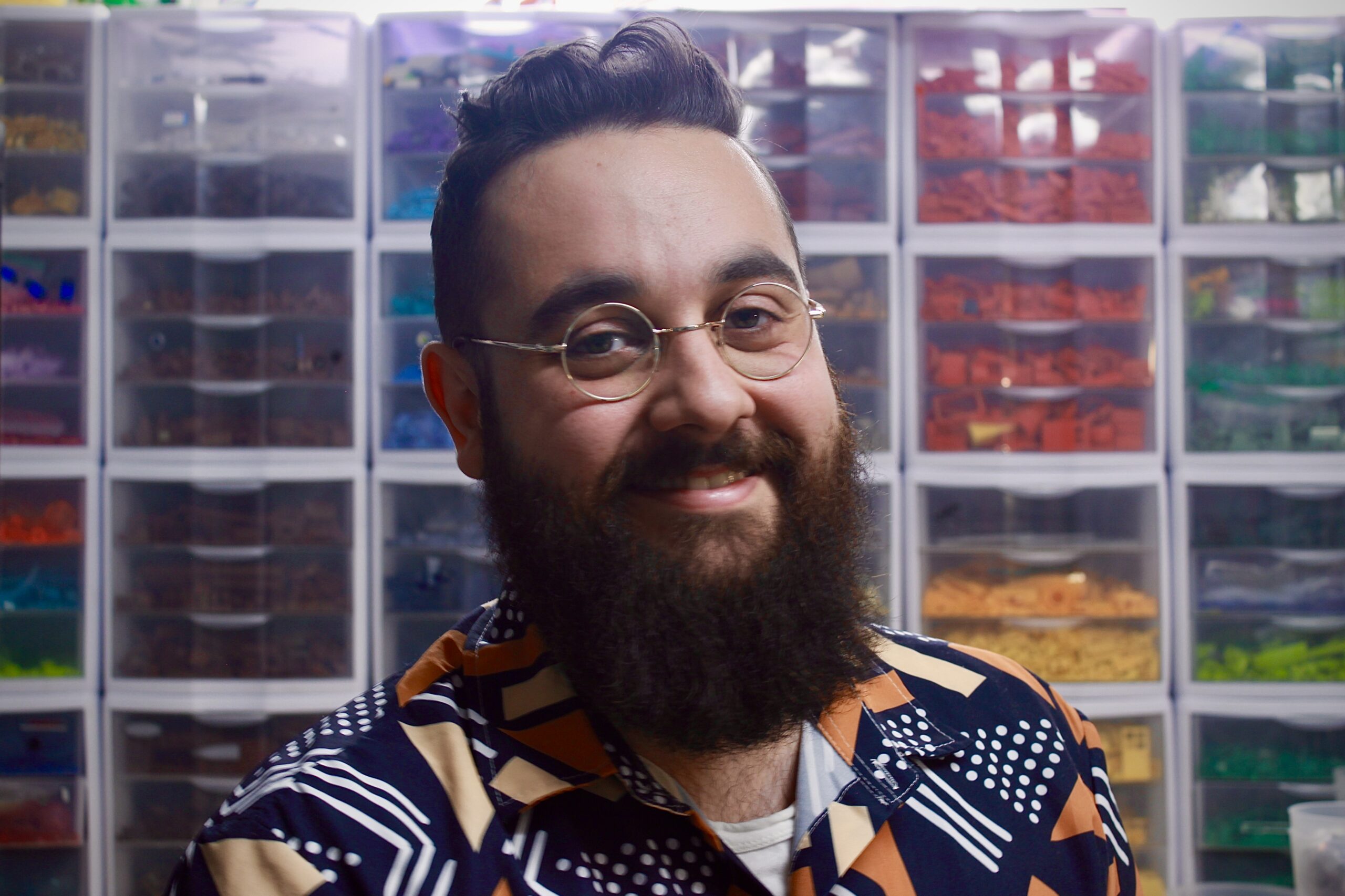 LEGO has grown to become one of the world’s largest toy brands, and its fanbase has grown with it. What often starts as childhood creativity leads to using LEGO as a tool for self expression and building community. Adult hobbyists are paving the way for brick-built creations to be seen as a medium of their own.Bio: Sam Malmberg is an Edmonton-based artist that uses LEGO as his primary medium. Sam has displayed his original LEGO creations across Canada and the US, and was a finalist on the TV show LEGO Masters. Through his business, Groovybones Bricks, he works to create interactive experiences, custom models, and a whole lot of brick-based fun.